On this page
Key takeaways
- Aseptic pulp is sterile-packed in drums and stores at room temperature: built for large, continuous production.
- Frozen pulp comes in 1 kg pouches and tubs kept at −18 °C: built for smaller batches and kitchens.
- Some fruits, such as jamun, jackfruit and berries, are supplied frozen only.
Two formats, one fruit
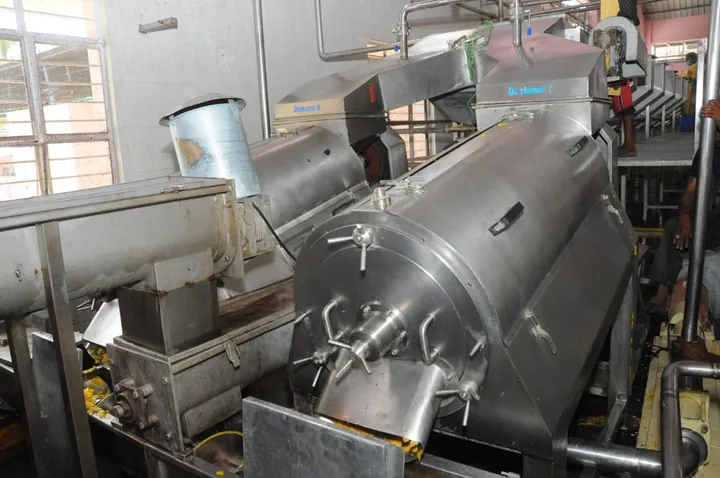
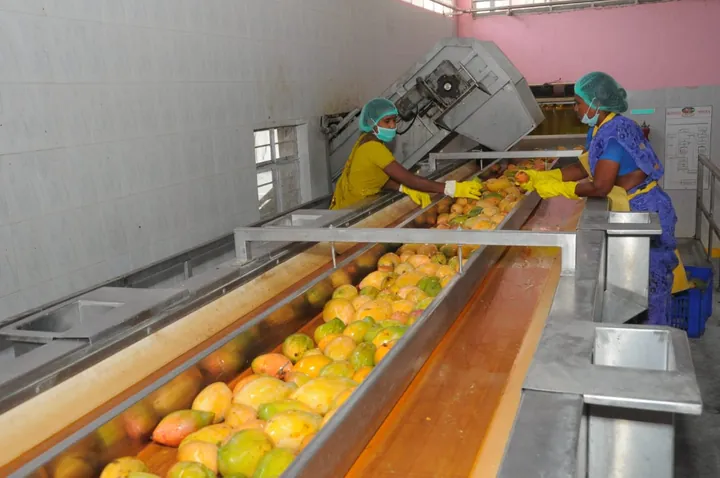
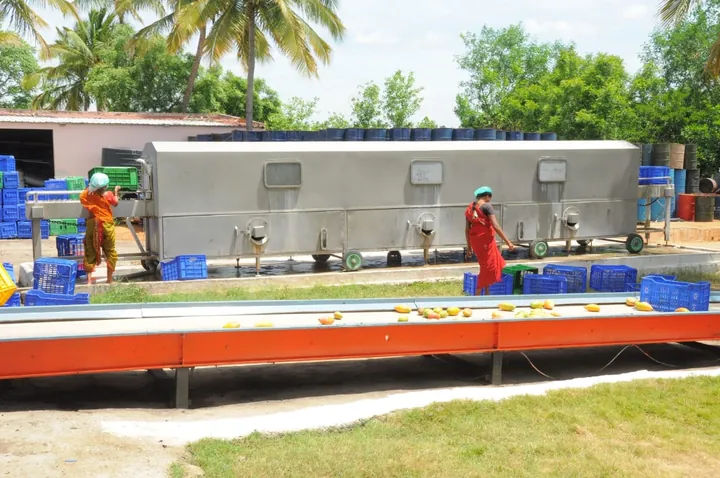
Aseptic and frozen fruit pulp start in the same place: fresh, ripe fruit, sorted, pulped and refined to a smooth pulp. What changes is the last step: how the pulp is packed and kept safe until it reaches your line.
That last step decides the pack size, how you store it, how long it lasts and what it costs to move. So the right choice depends less on the fruit and more on how you produce.
What is aseptic fruit pulp?
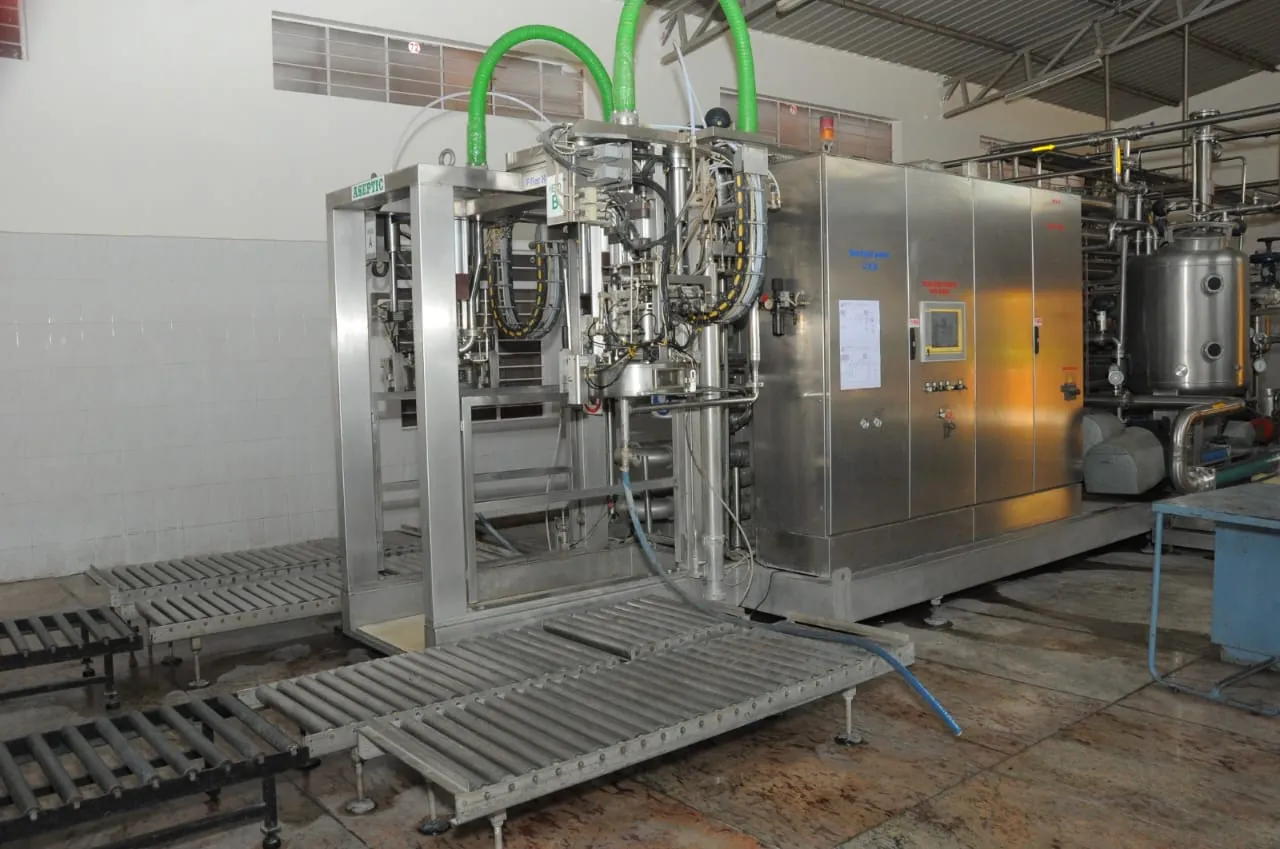
Aseptic fruit pulp is heat-treated and then filled into pre-sterilised bags in a sterile environment. The bag is sealed inside a drum, so the pulp stays commercially sterile without freezing.
At Roshan Fruits, aseptic pulp ships in food-grade, epoxy-coated steel drums:
- 210–228 kg net per drum, depending on the product
- 80 drums to a 20-foot container
- 18 months shelf life at ambient temperature, or 24 months stored at +4 to +15 °C
The big advantage: no cold chain until the drum is opened. Drums travel and store like dry goods.
What is frozen fruit pulp?
Frozen fruit pulp is pulped, filled into small sealed packs and quick-frozen. It keeps the natural aroma, flavour and colour of the fruit, and it is thawed and used as needed.
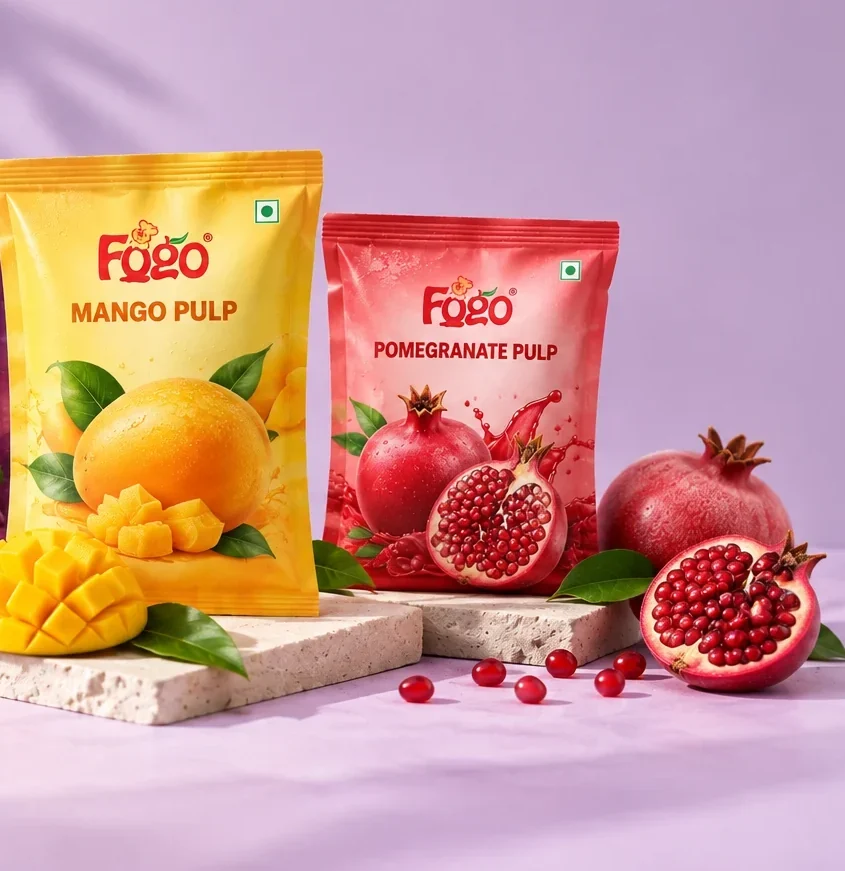
Our frozen pulp is sold under the Fogo brand:
- 1 kg pillow pouches, 16 to a carton
- 1 kg tubs, 12 to a carton, or bulk packing on request
- Up to 24 months shelf life stored at −18 °C
Small packs mean you open only what you need. The trade-off is a frozen supply chain from the plant to your freezer.
Aseptic vs frozen, side by side
| Point | Aseptic | Frozen |
|---|---|---|
| Pack | Sterile bag in a steel drum | Pillow pouch or tub |
| Pack size | 210–228 kg per drum | 1 kg |
| Storage | Ambient, cool and dry | Frozen, −18 °C |
| Shelf life | 18 months ambient · 24 months at +4 to +15 °C | Up to 24 months at −18 °C |
| Cold chain | Not needed until opened | Needed throughout |
| Best for | Large, continuous production | Smaller batches, kitchens, hotels |
Which one should you choose?
Choose aseptic if you…
- run a beverage, dairy or ice-cream line that uses pulp every day
- want to store at room temperature and skip freezer space
- buy by the container load and want less handling per kilo
Choose frozen if you…
- make smaller batches, or work in a hotel, restaurant or café kitchen
- want to open 1 kg at a time and waste less
- need fruits we supply frozen only: jamun, jackfruit, chikoo, custard apple, strawberry and blueberry
You can also use both: aseptic drums for the main line, frozen pouches for new recipes and smaller runs.
Five questions to ask your supplier
- Can I see the specification sheet? Brix, acidity, pH, consistency (Bostwick) and colour should be written down for every product.
- Which certifications does the plant hold? Look for food-safety certification such as FSSC 22000, plus Kosher or Halal if your market needs them.
- What is the pack size and container load? It sets your storage and freight cost.
- What is the shelf life, and at what temperature?
- When is the fruit in season? Fresh Alphonso, for example, is processed from mid-May to mid-June; pulp made in season ships all year.
Frequently asked questions
Does aseptic fruit pulp need refrigeration?
No. Aseptic pulp is sterile-packed, so it stores at ambient temperature, in a cool and dry place out of direct sunlight, until the drum is opened. At Roshan Fruits it has an 18-month shelf life at ambient temperature, or 24 months stored at +4 to +15 °C.
How long does frozen fruit pulp last?
Roshan Fruits frozen pulp keeps for up to 24 months when stored at −18 °C.
Can I buy the same fruit in both formats?
Yes, for several fruits: Alphonso and Totapuri mango, pink and white guava, and banana come in both aseptic drums and frozen packs. Jamun, jackfruit, chikoo, custard apple, strawberry and blueberry are frozen only.